

Meta’s new scam prevention claims: Sue is not impressed
This morning’s Social Media Today newsletter featured a really interesting – and eyeroll-inducing – headline: “Meta Touts Detection Efforts Ahead of Anti-Scam Summit.”
Essentially, ahead of this big summit, Meta has released some figures to “prove” that it is doing something to combat the rampant scam ads all over its platforms. This, of course, would have nothing to do with last month’s positively astounding Reuters reporting that Meta knew about the rampant scams and in fact was set to make 10% of its 2024 revenue from scam ads – roughly 15 billion scam ads a day.
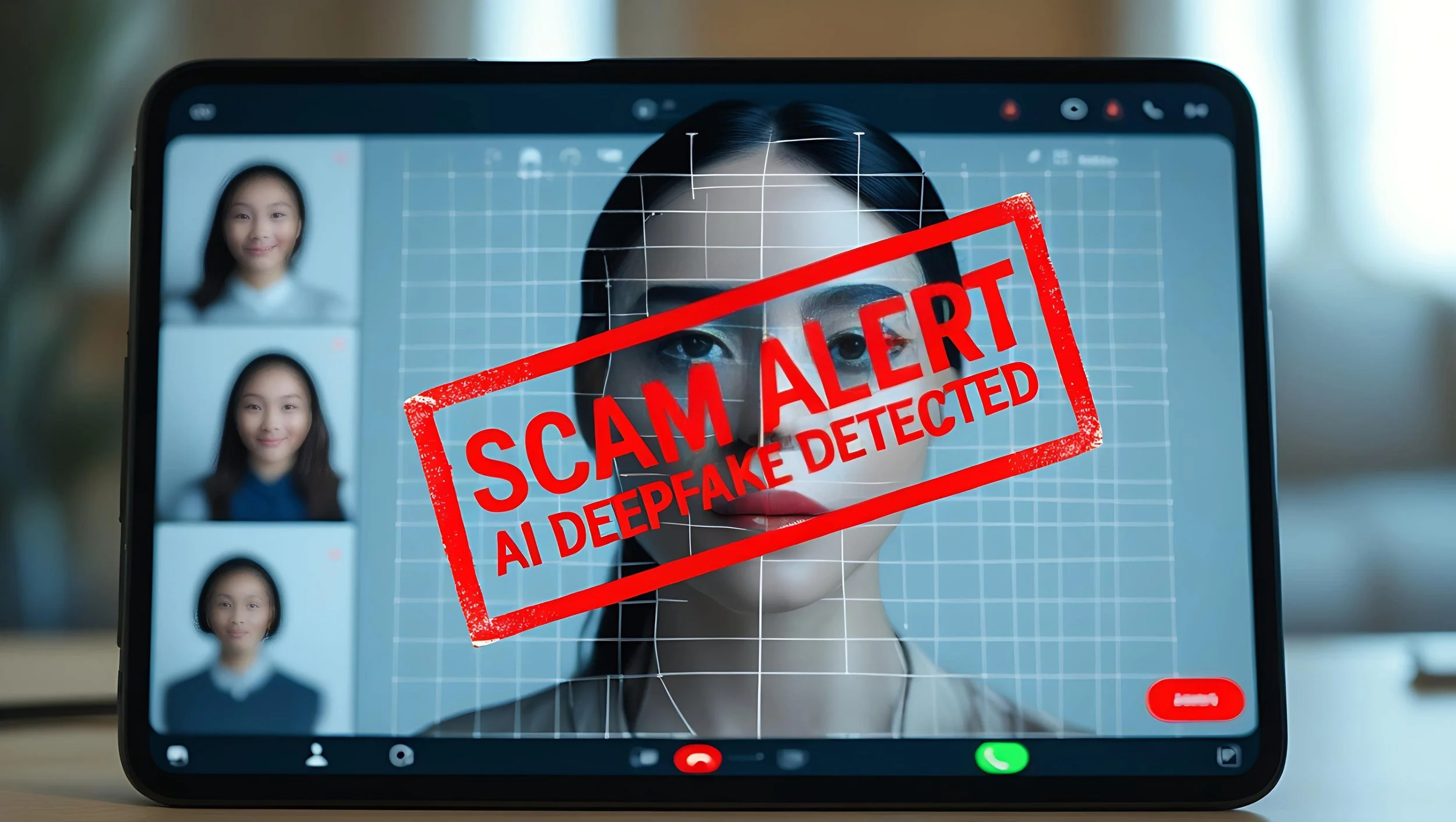
Safe words: They’re not just for the bedroom anymore
In a campaign launched earlier this year, the National Cybersecurity Alliance launched an effort to get individuals to create safe words for their families, close friends, coworkers or caregivers for elderly family members. Essentially, you establish a safe word with this person or group of people and then should you receive an urgent call from that individual requesting money, assistance or information, you simply ask the caller for the safe word to verify that it’s truly your person and not a computer doing a great impression of them.

Six ways companies get locked out of their own social media accounts - and how to avoid them
Sadly, one of the most common social media problems companies encounter is a basic one: they do not know the passwords to their own social media accounts and they are locked out. Here’s my list of the six most common reasons companies find themselves locked out of their own accounts – and how to avoid them.

Third-party apps: don’t leave the window open for cybercriminals
Protecting your primary social media accounts is not enough. You also need to consider anything you have connected to your social media accounts, otherwise known as third-party apps. If you protect your main social accounts but ignore your third-party apps, that’s like locking the front door but leaving the window wide open.